

Wood Bison
At the Preserve
In Our Care & Collection:
| 6 | . | 10 | .4 | |
| Male | Female | Young |
The Habitat:
| 38.9 |
| Acres |
Photos from the Preserve:
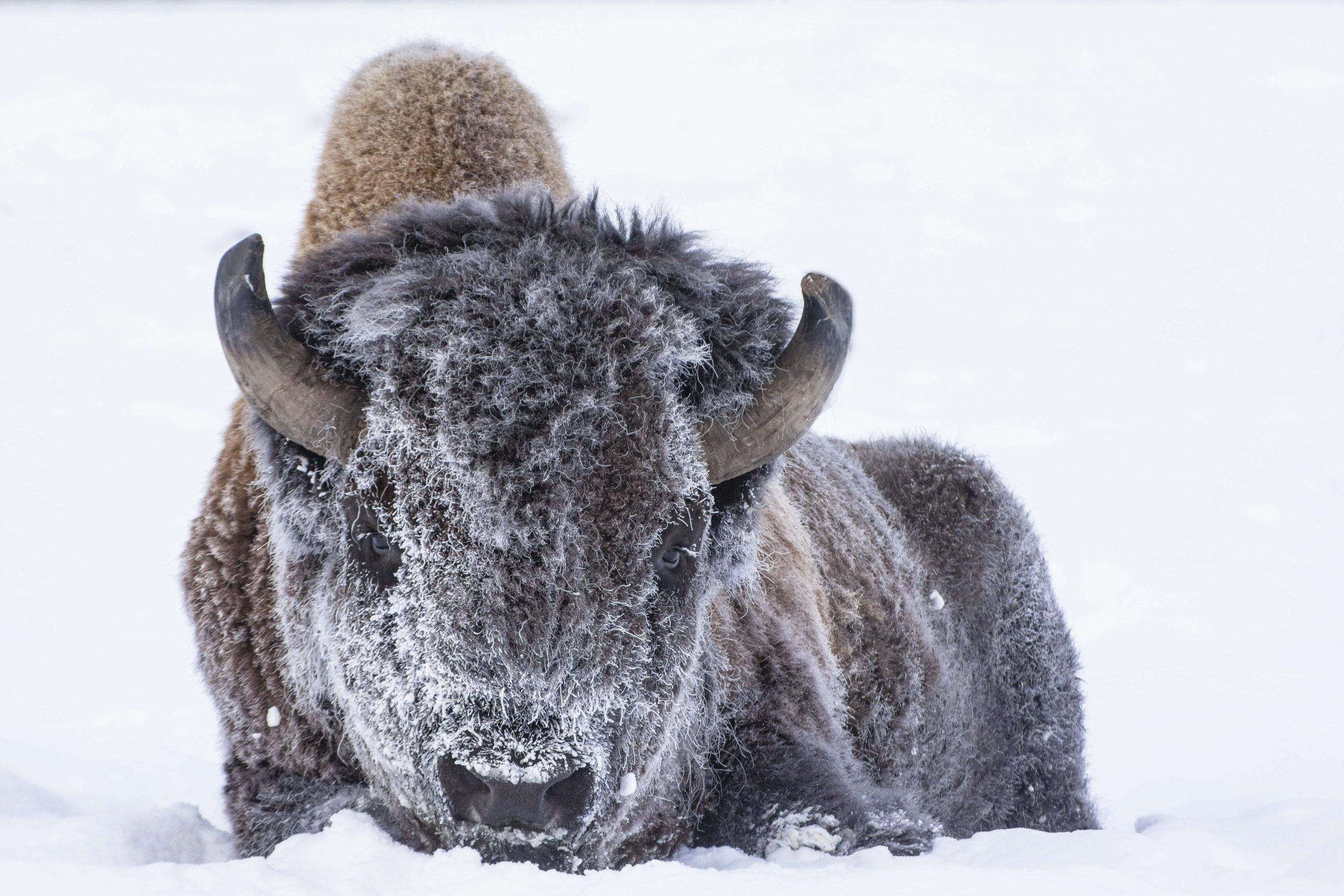


Articles from the Preserve:
Resources
General Overviews
Wood Bison Recovery Plan in Canada
The Yukon’s wood bison herd was a part of a nation wide effort to bolster the dwindling populations of wood bison across Canada.
Yukon Specific
Wood Bison Recovery Plan in Canada
The Yukon’s wood bison herd was a part of a nation wide effort to bolster the dwindling populations of wood bison across Canada.
This page explores the reintroduction of wood bison in the Aishihik area and talks with senior wildlife biologist with Environment Yukon, Tom Jung.
Contribute a Resource
Do you have resources (especially Yukon specific ones) we should know about? Send us a link and summary/blurb to add to this page.

Yukon Wildlife Preserve
Box 20191
Whitehorse, Yukon
Y1A 7A2
Proud member of:

With the support of: